How Red Roses Became Synonymous with Valentine's Day
Posted on 24/05/2025

How Red Roses Became Synonymous with Valentine's Day
Every year, as February 14 approaches, florists around the globe prepare for an unparalleled surge in demand for red roses. This iconic flower has become the universal symbol of romance and love, especially during Valentine's Day. But have you ever wondered how did red roses become the heart of Valentine's gifting traditions? This article will delve deep into the history, symbolism, commercialization, and modern significance of red roses and their enduring link to Valentine's Day.
The Historical Roots of Red Roses and Love
The romantic association between red roses and love extends well beyond modern times. Historical records reveal that the red rose has been intertwined with the emotion of love and passion for centuries.
Ancient Greek and Roman Symbolism
- Greek Mythology: The red rose is believed to have originated from the story of Aphrodite, the Greek goddess of love. Legend suggests that roses bloomed wherever she walked, and red roses grew from the ground where her tears and the blood of her beloved Adonis fell. This poignant tale cemented the connection between red roses and love.
- Roman Influence: Similarly, in Roman tradition, the goddess Venus--Aphrodite's Roman counterpart--was often depicted adorned with roses. To the Romans, red roses became an emblem of love, beauty, and passion.
Medieval and Renaissance Symbolism
During the Middle Ages, the significance of red roses in Valentine's Day expanded. Medieval poets, troubadours, and artists depicted red roses in troubadour songs and paintings as metaphors for clandestine love. During the Renaissance, the language of flowers (floriography) emerged, where gifting specific flowers communicated unspoken emotions. The red rose stood for deep romantic love and passionate desire.
The Origin of Valentine's Day
To understand why red roses are synonymous with Valentine's Day, it's crucial to explore the origin of the holiday itself.
Who Was St. Valentine?
- Valentine's Day is named after Saint Valentine, a third-century Roman saint associated with courtly love.
- Legend has it that Valentine performed secret marriages for lovers, defying Emperor Claudius II, who had banned marriage for young men. For this, Valentine was martyred and later canonized.
- By the Middle Ages, St. Valentine's Day became associated with romantic love, possibly due to the notion that February 14 was when birds began to pair off and mate.
The Earliest Valentine's Traditions
- In the 14th and 15th centuries, exchanging love notes and tokens (such as flowers) became common practice on Valentine's Day in Europe.
- The tradition of giving flowers on Valentine's Day started in earnest during this period, influenced by the growing popularity of floriography.
The Birth of the Red Rose as Valentine's Day Symbol
By the 18th and 19th centuries, the tradition of presenting a bouquet of red roses on Valentine's Day was firmly established, especially in Britain and France.
The Influence of Literature and the Arts
Renowned writers and poets, including Shakespeare and Robert Burns, immortalized the connection between red roses and love in their works. For example, in Shakespeare's play Romeo and Juliet, Juliet proclaims, "A rose by any other name would smell as sweet." The phrase reinforced the cultural understanding of roses as symbols of true love, helping to solidify their association with romance.
- Shakespeare's passionate sonnets frequently referenced roses as metaphors for beauty and love.
- Robert Burns' famous line "My love is like a red, red rose" further established the flower's association with deep romantic affection.
Victorian Flower Language
Victorians developed "the language of flowers," where different blooms bore distinct meanings. The red rose universally came to symbolize romantic love and passion, making it the perfect gift for expressing one's deepest affections on Valentine's Day.
Why Red Roses Became the Valentine's Flower
Among a myriad of beautiful flowers, why did the red rose emerge as the emblem of Valentine's Day? Several reasons underpin the central role of this iconic bloom:
- Color Symbolism: Red is universally accepted as the color of passion and desire. The crimson hue of the red rose makes it an apt representation of intense emotions associated with love.
- Rarity and Prestige: Historically, red roses were harder to cultivate and thus more prized. Gifting someone a red rose signaled the special place they held in one's life.
- Lasting Cultural Associations: Centuries of literature, art, and tradition have embedded red roses in the cultural consciousness as the flower of love, making it a default choice for Valentine's Day expressions.
- Language of Flowers: In the floral lexicon, the red rose unequivocally means "I love you," leaving no room for ambiguity in the message it conveys.

The Commercialization and Global Spread of the Red Rose Tradition
As Valentine's Day gained popularity beyond Europe and America, so did the tradition of giving red roses. In the 20th century, advancements in transportation and horticulture made it possible to mass-produce and ship roses around the world.
The Florist Industry and Valentine's Day
- By the early 1900s, florists began marketing red roses specifically for Valentine's Day, reinforcing their association with romantic love.
- Advertising campaigns, greeting card companies, and chocolate manufacturers further cemented the red rose as the quintessential Valentine's Day gift.
- Today, tens of millions of red roses are sold each year on February 14 globally, demonstrating their enduring appeal as a symbol of love.
Global Variations and Cultural Adaptations
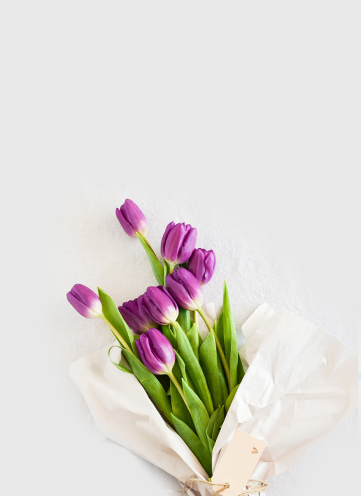
The tradition of gifting red roses on Valentine's Day has been embraced and adapted by cultures worldwide. In some countries, Valentine's Day is also an occasion to express affection towards friends and family, not just romantic partners. The red rose remains the star of the day, but other flowers such as tulips, lilies, or carnations may also be used, each carrying its own significance.
The Enduring Symbolism of Red Roses for Valentine's Day
The meaning behind red roses has evolved but never waned. To this day, a single red rose or an elaborate bouquet on Valentine's Day conveys powerful emotions that words sometimes cannot express. Here's why this symbol has stood the test of time:
- Universality: The image of red roses is instantly understood across continents and cultures to mean love, passion, and admiration.
- Emotional Impact: The gesture of gifting red roses creates memories and emotional connections, making the day memorable for couples.
- Tradition: Every generation inherits the practice, ensuring red roses maintain their link with love and Valentine's Day well into the future.
Alternative Meanings and Modern Trends
While red roses for Valentine's Day remain wildly popular, modern lovers are also turning to alternative flowers and creative twists to make the occasion more personal. However, these trends continue to reference or revolve around the everlasting language of the red rose.
The Significance of Rose Colors
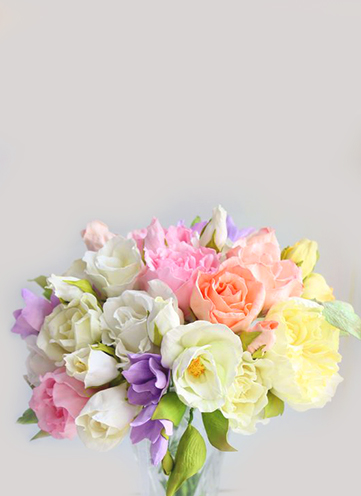
Roses come in many shades, each with its own meaning. For instance, pink roses symbolize gratitude and admiration; white roses stand for purity and innocence; yellow roses represent friendship and joy. But none of these can eclipse the powerful resonance of red roses as symbols of romantic love on Valentine's Day.
Creative Bouquets and Personalization
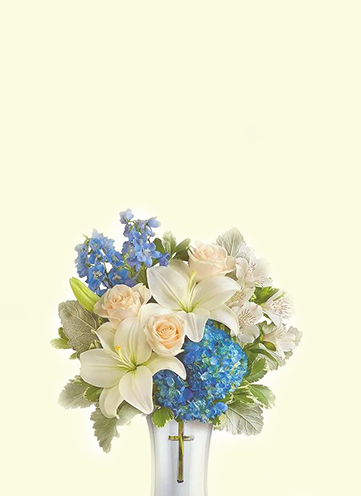
- Many couples now opt for mixed bouquets, combining red roses with other blooms.
- Eco-friendly and locally sourced roses are on the rise, with buyers seeking sustainable options.
- Personalized arrangements and unique presentation styles allow gift-givers to imprint their personality while retaining the central message of love embodied by the red rose.
Why Red Roses Still Matter on Valentine's Day
Despite evolving customs and a rapidly changing world, the timeless elegance of red roses continues to outshine other expressions of love on Valentine's Day. Their classic beauty, universal symbolism, and rich history make them the first choice for anyone wishing to say "I love you" in the most heartfelt way.
- Emotional Resonance: Recipients often cherish the memory of receiving red roses, associating them with special moments and cherished relationships.
- Aesthetic Appeal: Red roses boast unparalleled beauty. Their velvety petals and enchanting scent create a multi-sensory experience that elevates the romantic gesture.
- Enduring Tradition: The act of giving red roses on Valentine's Day connects lovers to centuries of history, poetry, and art.
Tips for Choosing and Gifting Red Roses on Valentine's Day
Here are some helpful tips for making your Valentine's Day red rose bouquet extra special:
- Select Fresh, Quality Roses: Look for firm, vibrant petals and healthy green stems for the best appearance and longevity.
- Choose the Right Quantity: A "dozen red roses" signifies complete devotion, while a single red rose can mean undivided love and admiration.
- Personalize Your Gesture: Pair your bouquet with a heartfelt note, a box of chocolates, or another personalized gift to create an unforgettable experience.
- Support Local Florists: Buying from local flower shops ensures your roses are fresh and helps support the community.
- Consider Sustainability: Seek out environmentally-friendly growers and fair-trade options for a romantic gesture that's also good for the planet.
Conclusion: The Lasting Love Affair Between Red Roses and Valentine's Day
The journey of the red rose as the ultimate symbol of Valentine's Day spans centuries and civilizations. From ancient tales of gods and goddesses to the passionate verses of poets, and from Victorian floriography to modern marketing, the red rose has never lost its allure. Whether given in a grand bouquet or as a single stem, red roses continue to embody the very essence of love each Valentine's Day.
So the next time you hand someone a bouquet of red roses on February 14, remember--you're not just giving a flower. You're sharing a story that weaves together myth, history, art, and heartfelt emotion, celebrating the enduring power of love on Valentine's Day.
- Red Roses and Valentine's Day will forever be a match made in romantic heaven.
- Honor this timeless tradition with your own symbolic gesture and create memories that last a lifetime.
Happy Valentine's Day! Celebrate love with the classic beauty of red roses.