Say Goodbye to Wilted Flowers with These Easy Steps
Posted on 17/08/2025
Say Goodbye to Wilted Flowers with These Easy Steps
Are you tired of seeing your beautiful bouquets droop days after bringing them home? Discover the secrets to long-lasting, vibrant blooms with our comprehensive guide!
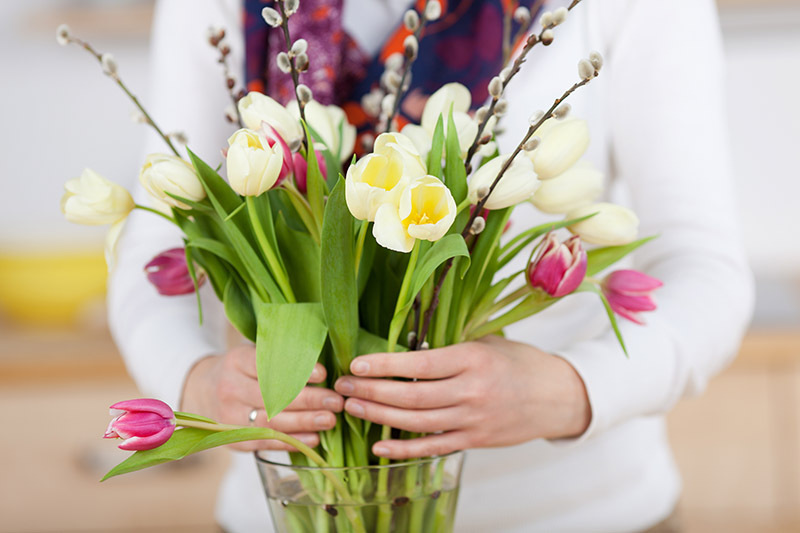
Introduction: Why Do Flowers Wilt?
Bringing fresh flowers into your home or garden should spark joy--not disappointment when they quickly lose their charm. Wilted flowers aren't just unsightly; they signal that your blooms are struggling to survive after being cut. Understanding why flowers wilt is the first step toward keeping them lively for days, even weeks.
- Improper hydration
- Poor vase hygiene
- Lack of nutrients
- Environmental stressors
With just a bit of know-how, you can prevent wilting and enjoy radiant blooms every time.
Step 1: Select Fresh and Healthy Flowers
What to Look for When Buying
The longevity of your arrangement starts at the store or garden. To avoid wilted flowers from the get-go:
- Choose flowers with firm, upright stems and no signs of browning or mushiness.
- Inspect petals for vibrant colors and avoid blooms already fully open, as they'll wilt sooner.
- Look for foliage that is green, not yellowing or dropping.
Tip: Flowers like lilies and roses can be purchased in bud form and will open beautifully at home.
Step 2: Proper Preparation Makes a Difference
Trim for Success
A critical step in keeping cut flowers from wilting is properly trimming their stems:
- Use sharp, clean scissors or a knife to avoid crushing the stem.
- Cut stems at a 45-degree angle to increase water uptake.
- Remove any leaves that would sit below the waterline to prevent rot.
- Re-cut the stems every few days for optimal water absorption.
Hydrate Immediately
After trimming, place the stems in lukewarm water right away. Flowers left out of water for even a short time can quickly develop air pockets that block water absorption, fast-tracking the wilting process.
Step 3: Create the Ideal Environment for Your Flowers
Water Quality Matters
For truly long-lasting arrangements, pay attention to water quality. Here's how to keep your blooms fresh, not wilted:
- Use filtered or distilled water if possible, especially in areas with hard tap water.
- Change the water every 1-2 days to discourage bacterial growth that accelerates wilting.
- Wash your vase thoroughly before refilling--neglecting this step can mean disaster for sensitive flowers.
Feed Your Flowers
Commercial flower food isn't just a gimmick--it supplies nutrients and inhibits bacteria. If you don't have any on hand, try these home substitutes:
- 1 teaspoon sugar and a few drops of bleach per quart of water.
- Add a splash of lemon-lime soda (not diet!) to feed your flowers and prevent bacteria.
*Note: Too much bleach, sugar, or soda can harm delicate blooms. Use sparingly.
Vase Placement: The Do's and Don'ts
- Do place flowers in a cool spot, away from direct sunlight, heating vents, or radiators.
- Don't keep flowers near ripening fruit--they emit ethylene gas, speeding up wilting.
- Keep arrangements out of drafty areas where temperature fluctuations can stress the stems.
Step 4: Master Ongoing Maintenance
Daily Checks
A few moments of daily care can dramatically extend the life of your flowers:
- Refill the water as needed to keep stems submerged.
- Remove spent or wilted flowers from the arrangement promptly to prevent ethylene from affecting healthy blooms.
- Rearrange or retrim any drooping stems every couple of days.
Refresh and Revitalize
If a bouquet starts to look tired, try this revival trick:
- Submerge the entire bouquet (flowers, stems, and leaves) in a sink or bathtub of cool water for 30-60 minutes.
- Re-cut stems and return to a freshly cleaned vase with new water and flower food.
Step 5: Special Care for Specific Flowers
Not all flowers are created equal. Some, like tulips or hydrangeas, have special needs that, if met, can prevent wilted petals and maximize longevity.
- Roses: Remove outer guard petals. Cut rose stems under running water for best hydration.
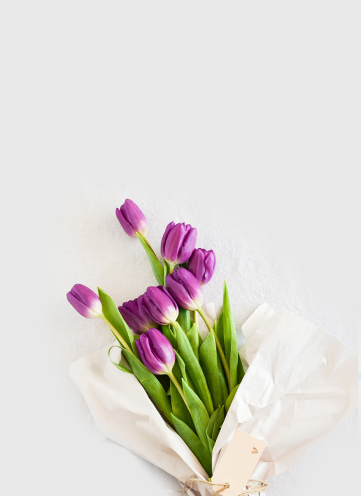
- Tulips: Keep stems straight by wrapping in paper and standing upright in cold water for hours after purchase.
- Hydrangeas: These need a lot of water--smash or split the woody ends of stems and submerge heads in water to revive.
- Gerbera Daisies: Add a small amount of bleach to ward off bacteria, and use narrow-necked vases for support.
Step 6: Eco-Friendly Ways to Keep Wilted Flowers at Bay
If you're looking for green alternatives to traditional flower food, try these natural remedies:
- Apple cider vinegar and sugar: Add 2 tablespoons of each to vase water.
- Crushed aspirin: Believed to lower water's pH and encourage uptake in some flowers.
- A copper penny in the vase can slow fungal growth and keep water fresh.
These options can help you avoid chemical additives while still preventing premature wilting.
Say Goodbye to Wilted Bouquets: Don't Toss Flowers Too Soon!
Creative Ways to Upcycle Wilting Flowers
Even with the best care, all flowers eventually fade. Before tossing wilted bouquets, consider these creative uses:
- Dry your flowers by hanging them upside down to use in everlasting arrangements or crafts.
- Press petals in books for scrapbooking, art, or cards.
- Compost spent flowers to enrich your garden soil.
Frequently Asked Questions About Preventing Wilted Flowers
- How often should I change the water? Every other day is ideal, and always refill if the water looks cloudy.
- Why do flowers wilt so quickly in my house? Possible culprits include bacteria, lack of nutrients, warm air, or storing flowers near fruit.
- What's the best homemade flower food? A mixture of water, sugar, and bleach or vinegar usually helps. Experiment to see what works for your blooms!
Conclusion: Keep Your Flowers Fresher, Longer
With these easy steps to prevent wilting, you can transform your home into a long-lasting floral paradise.
- Always start with the freshest flowers available.
- Trim and hydrate properly for optimal water absorption.
- Provide nutrient-rich, clean water, and the right environment.
- Maintain your arrangements with easy daily care.
Remember, a little effort goes a long way toward saying goodbye to wilted flowers for good. By following these easy, sustainable steps, you'll enjoy vibrant, beautiful bouquets that brighten your space--and your mood--for days to come.
Embrace these simple techniques to ensure that droopy, wilted bouquets are a thing of the past. Happy flower arranging!
Latest Posts
Planning a Flower Installation for [AREA POSTCODE]? Key Tips
How We Transformed a [AREA NEIGHBOURHOOD] Event with Stunning Flowers
Best Flowers for Local Pollinators in [AREA] Gardens